Walk through any major city in early 2026 and you'll notice something shifting. The person next to you on the train is wearing a premium oversized tee, canvas sneakers, and noise-cancelling headphones — and they've got a morning journaling practice. The girl at the coffee counter has a carefully curated fit that wouldn't look out of place in a lookbook, and she's also ordering a mushroom adaptogen latte. The overlap between streetwear and wellness culture isn't niche anymore. It's mainstream.
Two industries that spent the better part of a decade in separate lanes — fashion's adrenaline economy and health's slower, more introspective one — are colliding in 2026. And the result isn't just a new aesthetic. It's a new identity.
Where It Started
Streetwear as a culture has always been about identity. From the early days of Supreme's limited drops to the global hype machine of Off-White, the industry's power was its ability to turn clothing into a statement. You wore what you aligned with. You bought the brands that said something about who you were becoming.
Wellness culture, meanwhile, was building quietly in the background. Yoga studios, meditation apps, adaptogen lattes — all of it existed in its own world, separate from fashion by design. One scene was about hustle. The other was about balance. They weren't supposed to overlap.
But somewhere between 2023 and 2025, the walls came down. And it wasn't driven by any single brand or moment — it was a convergence of audience maturation, social media normalizing vulnerability, and a new generation of creators who simply lived at the intersection and made it feel natural.
Why 2026 Is the Inflection Point
Every cultural shift has a tipping year. For streetwear and wellness, 2026 checks the boxes:
Audience overlap is real. Gen Z and younger millennials — the core streetwear buyer — now list mental health, sleep quality, and physical wellbeing as their top lifestyle priorities alongside style. Research from 2025 shows the majority of consumers aged 18-30 actively follow wellness content alongside fashion content, with significant cross-pollination in purchasing behavior.
The creators are leading. The influencers driving this aren't the hypebeast accounts or the yoga accounts — they're the ones in between. Artists who post studio sessions in premium hoodies. Designers who talk about their meditation practice while showing their latest drop. The authenticity is what's driving the crossover.
The product got better. The wellness-adjacent streetwear of 2024 was mostly aesthetic. The 2026 version has substance behind it. Fabrics are genuinely better — moisture-wicking, temperature-regulating, made from traceable materials. Fit is intentional, designed for actual bodies in actual movement. This isn't rebranded activewear. It's something more considered.
The Music Connection
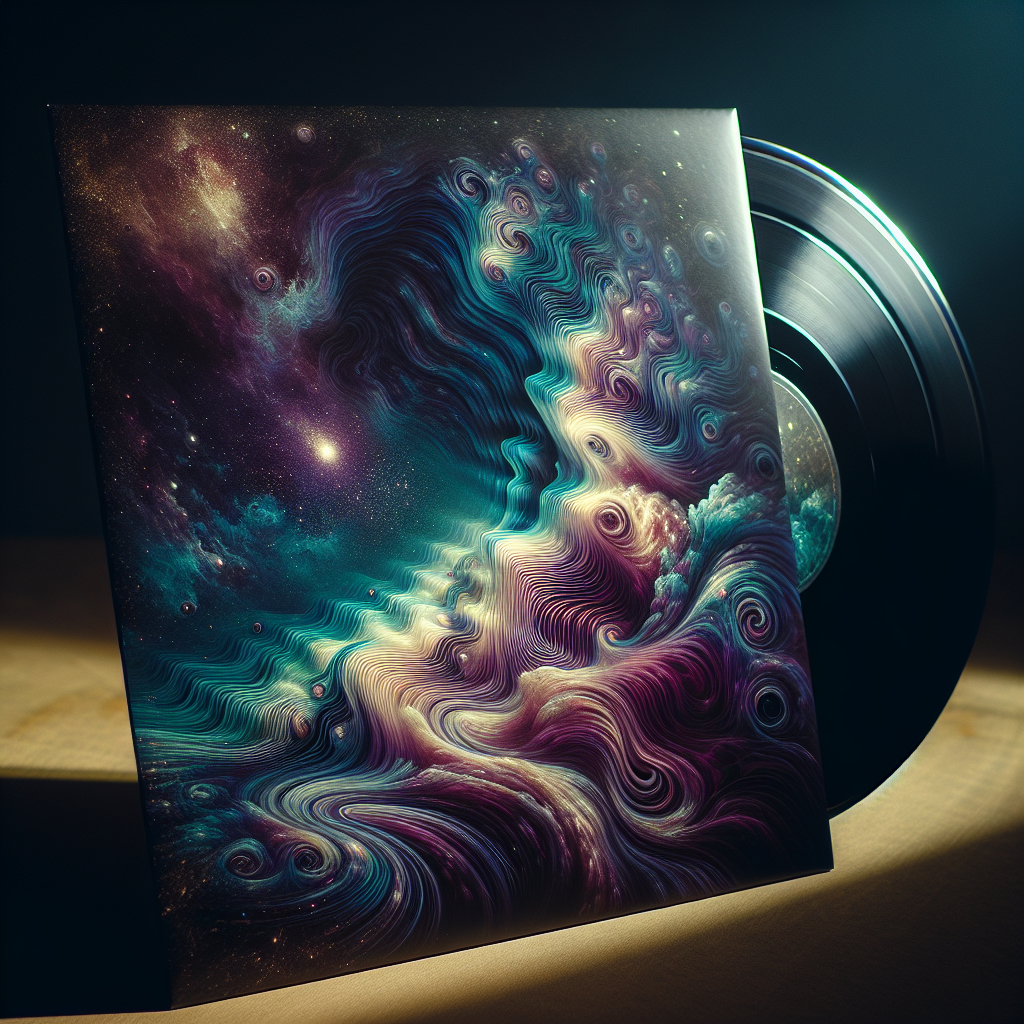
Music has always been the connective tissue between these two worlds. Hip-hop and R&B artists have always influenced fashion, but the wellness thread running through contemporary music is different. More explicit. Artists are talking about breathwork on podcasts, microdosing in interviews, journaling on social media. And their audiences — many of whom are the same people buying the clothes — are absorbing it.
The fusion of neo-soul, electronic, and ambient music with hip-hop has created a sonic landscape that feels inherently "wellness-forward." It's not about aggression or competition. It's about atmosphere, intentionality, and depth. The same qualities that define the best streetwear in 2026.
When an artist's visual identity, their clothing choices, and their public practice around wellbeing all reinforce each other, the audience doesn't experience it as marketing. They experience it as a life they're invited into.
What Brands Are Doing at the Intersection
The brands getting this right aren't chasing a trend. They're building a lifestyle. The most interesting labels working in this space are doing three things consistently:
- Material integrity. Organic cotton. Recycled technical fabrics. Garments that are designed to last, not just to drop. The wellness-aligned customer is also a sustainability-minded one, and brands have caught on.
- Intentional design. Minimal branding. Clean silhouettes. Photography that emphasizes movement and presence over hype. The aesthetic is calm, considered, and deeply personal.
- Lifestyle integration. Stores that double as studios. Drops that coincide with seasonal wellness calendars. Content that reflects the full arc of a life, not just a moment.
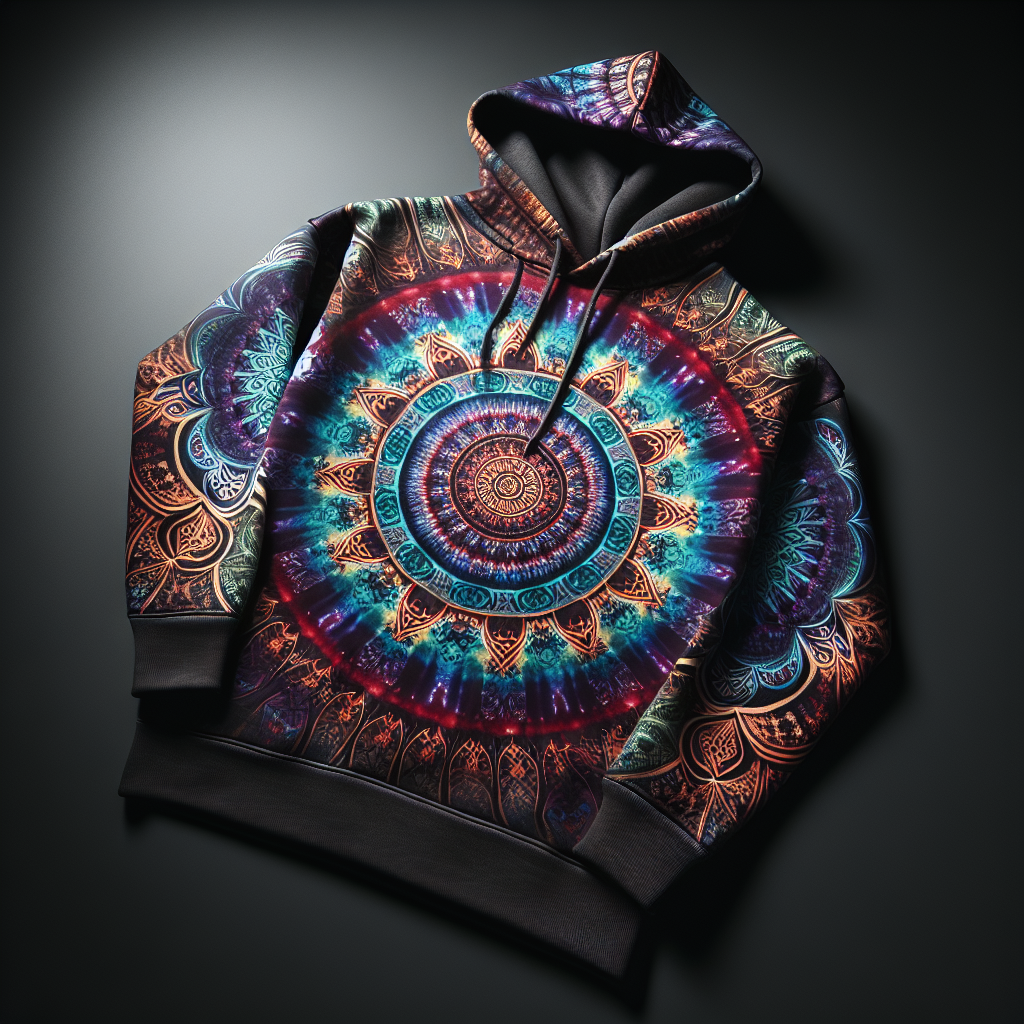
Some brands are building specifically at this intersection — labels like Golden Hour Edibles that position their product as part of a lifestyle practice rather than just a purchase. That's the model worth watching. The pricing has climbed too — and it's sticking. Customers who are buying into this intersection aren't price-sensitive in the traditional way. They're investing in pieces that work across contexts: from a morning session to an evening out. Quality over novelty is the operating principle.
The Cultural Shift Beneath the Style
What's really happening here is more interesting than fashion. Wellness culture has moved from aspirational to identity-forming. It's no longer something people "do" — it's something people "are." And as wellness becomes identity, it starts showing up in every surface of life, including clothing.
The streetwear audience — historically young, urban, trend-sensitive — is growing up. Many of the people who bought their first hyped tee five years ago are now in their mid-to-late twenties. Their style has evolved. They're not interested in the loudest logo anymore. They're interested in pieces that carry meaning.
At the same time, the wellness audience has gotten younger and more culturally savvy. The person who does breathwork in the morning and goes to a warehouse rave at night isn't a contradiction anymore. They're just one person living one life with multiple dimensions. For evening wind-down routines, products like Midnight Blend are becoming staples for people who care as much about what they're putting in their body as what they're wearing on it — the crossover between consumption and dress is complete.
The Brands Worth Knowing
If you're trying to understand the space, a few reference points. Not because they're the only ones doing it — but because they've each defined a distinct facet of it:
The full-lifestyle brands — labels that started in one category and expanded into apparel, supplements, content, and community. Their strength is coherence: everything they touch reinforces the same philosophy.
The material-first designers — smaller operations with deep fabric knowledge and limited runs. They move slower, but what they make tends to hold up across years and contexts. These are the pieces people keep.
The music-native labels — brands that emerged from recording studios and live circuits. Their aesthetic is tied to a specific sonic world, and their customers are bought in because the music comes first. The clothing is an extension of that.
How to Navigate the New Landscape
If you're looking to engage with this movement, start with what you already live. You don't need to overhaul anything. Just be more intentional about the pieces you choose and the brands you support.
Look for labels that are building something real — not just dropping graphics on tees and calling it a lifestyle. Read the brand story. Look at who the designers are. Check if the materials reflect the values the brand claims to hold.
Build a wardrobe that works with your life, not against it. Pieces that move with you, feel good on your body, and don't require constant replacement. That's the wellness-forward approach to fashion — and it's the one that's going to stick.
Use code WELCOME15 at checkout for 15% off.
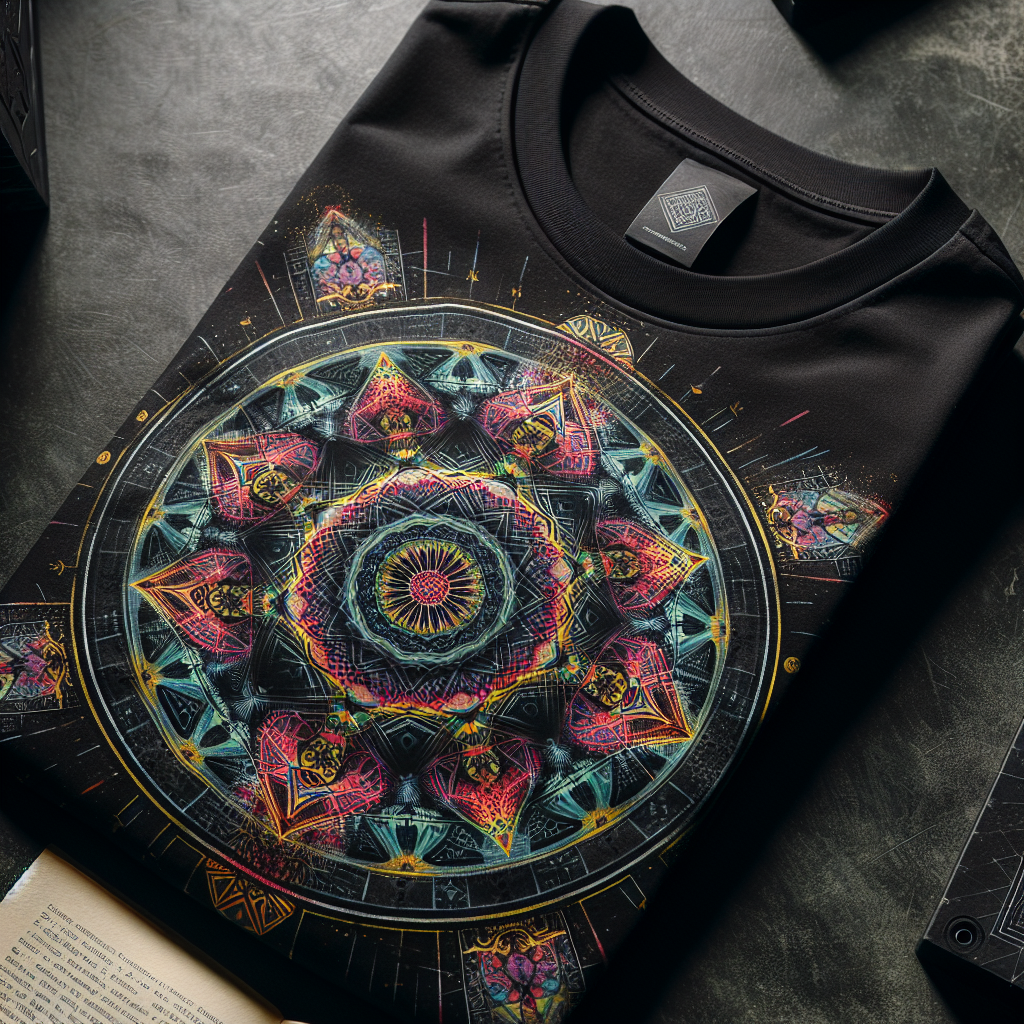
Explore more of the TaylorMade collection — pieces designed at the intersection of music, mindset, and movement.
The merge isn't a trend. It's a new way of being in the world — and the people who understand that are already building the culture.
Ready to Explore the Collection?
15% off your first order with code WELCOME15.
Shop TaylorMade →